 Sweet treats
 Meals
 Drinks
Why Sour Fruits Tastes Sweet with Miracle Berry
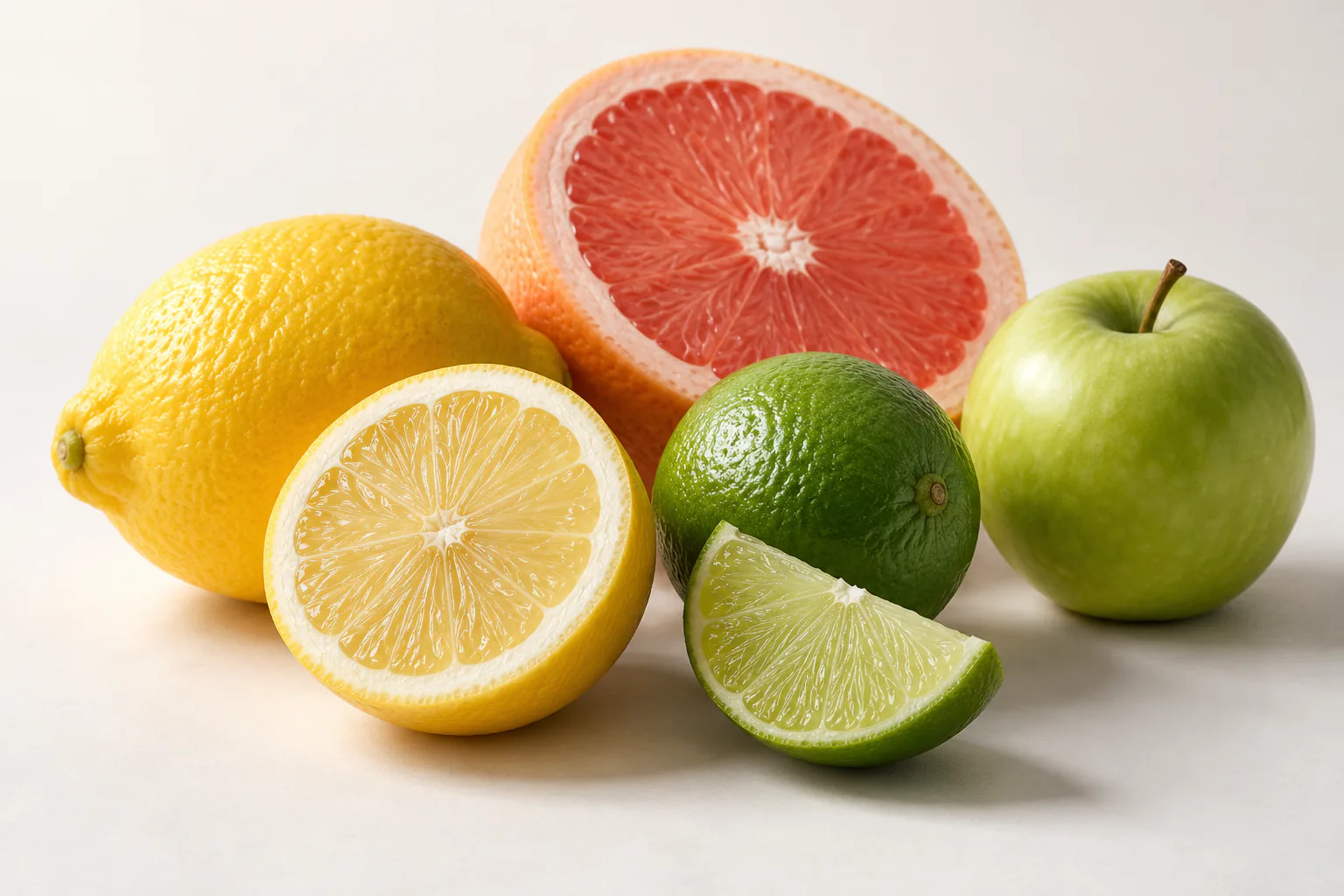
Eat a miracle berry, bite into a lemon, and sour suddenly tastes sweet. Here’s what happens on your tongue, and why the lemon itself hasn’t changed at all.
Same lemon.Differentexperience.
A berry that changes the taste, not the food
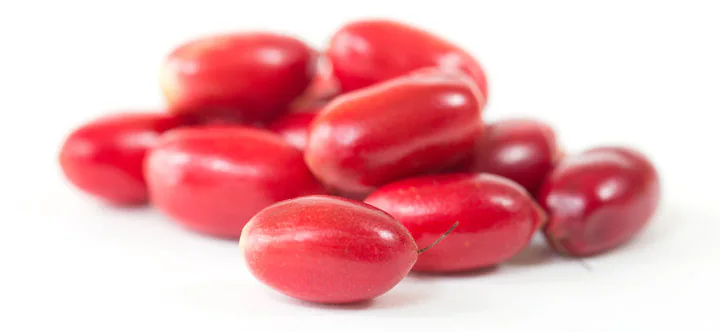
The miracle berry is a small red fruit from West Africa, where people have chewed it before meals for centuries to make sour food more enjoyable. Its secret is a protein called miraculin, whose story we tell in Everything You Need to Know About Miraculin.
Here is the surprising part. After a miracle berry, a lemon is still exactly the same lemon: no sugar is added and no acidity is taken away. What changes is how your tongue reads it.
Nature’sflavoursurprise.
Meet your sweet receptors
Your tongue can tell five basic tastes apart: sweet, salty, sour, bitter and savoury (umami). Each has its own receptors, and the sweet ones are normally switched on by sugars.
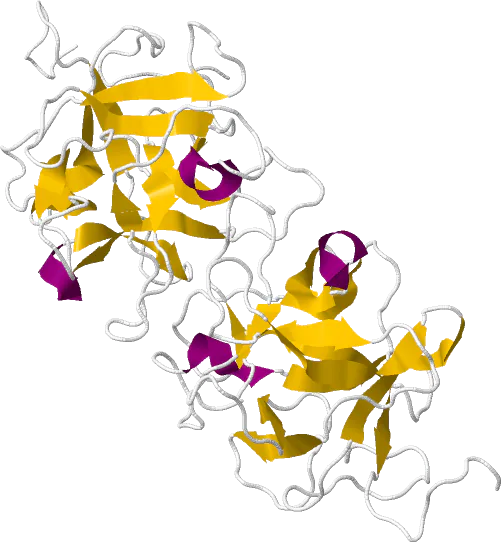
Miraculin is a large protein, probably too big to slip inside your taste buds. Instead, it settles on the surface, holds on to the sweet receptors and stays there for a while.
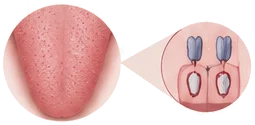
Miraculinsits on thesweet receptor.
Why sour turns sweet
Without acid, miraculin tastes of almost nothing. It sits on the sweet receptors without switching them on, and even gets in the way of other sweet things.
Sour foods are acidic. When acid arrives, miraculin changes shape and flips those sweet receptors on, so your brain reads “sweet” while the food is as sour as ever. Because miraculin stays put, this happens again with each sour bite, until saliva gradually washes it away. How long that takes varies.
BeforeSour
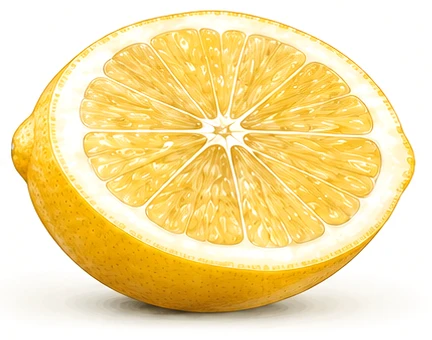
After miracle berryTastes sweet
The lemon doesn’t change. Your perception does.
How scientists found out
At the University of Tokyo, Ayako Koizumi and her colleagues tested miraculin on cells carrying the human sweet receptor. As the solution became more acidic, the receptors switched on, and they did so again every time fresh acid was added. Their conclusion: miraculin blocks the receptor at neutral pH and activates it in acid.
Takumi Misaka, also at the University of Tokyo, points to a neat confirmation. Block the sweet receptor with a compound called lactisole, and miraculin’s acid-induced sweetness fades.
The effect shows up in people, too. In one small study, seven volunteers took miraculin and then tasted sour citric-acid solutions. Afterwards, every taste they described was sweet; only how sweet varied.
In these papers you will often meet the plant under its older name, Richadella dulcifica. Today it is called Synsepalum dulcificum.
Why a near-copy isn’t enough
Grapes make a protein that is 61% identical to miraculin. Yet when researchers tested it, none of their four tasters found that it made sourness taste sweet.
That suggests miraculin’s trick depends on its precise build, including the way two miraculin molecules pair up. Looking similar is not enough.
Similar,but notthe same.
Taste the switch yourself
Take 2–3 freeze-dried halves, chew them gently and let them linger for about 30 seconds, discarding any pit. Then bite into a slice of lemon. For more ideas, see the different ways to enjoy miracle berry.
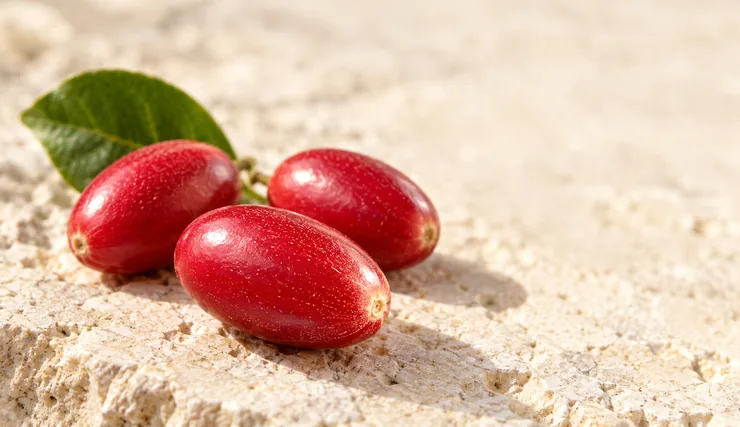
Small berry.Big difference.