 Sweet treats
 Meals
 Drinks
Science
Everything You Need to Know About Miraculin
Miraculin is the protein inside the miracle berry that makes sour foods taste sweet. Here’s where it was found, how it works on your tongue, and why it still fascinates scientists.
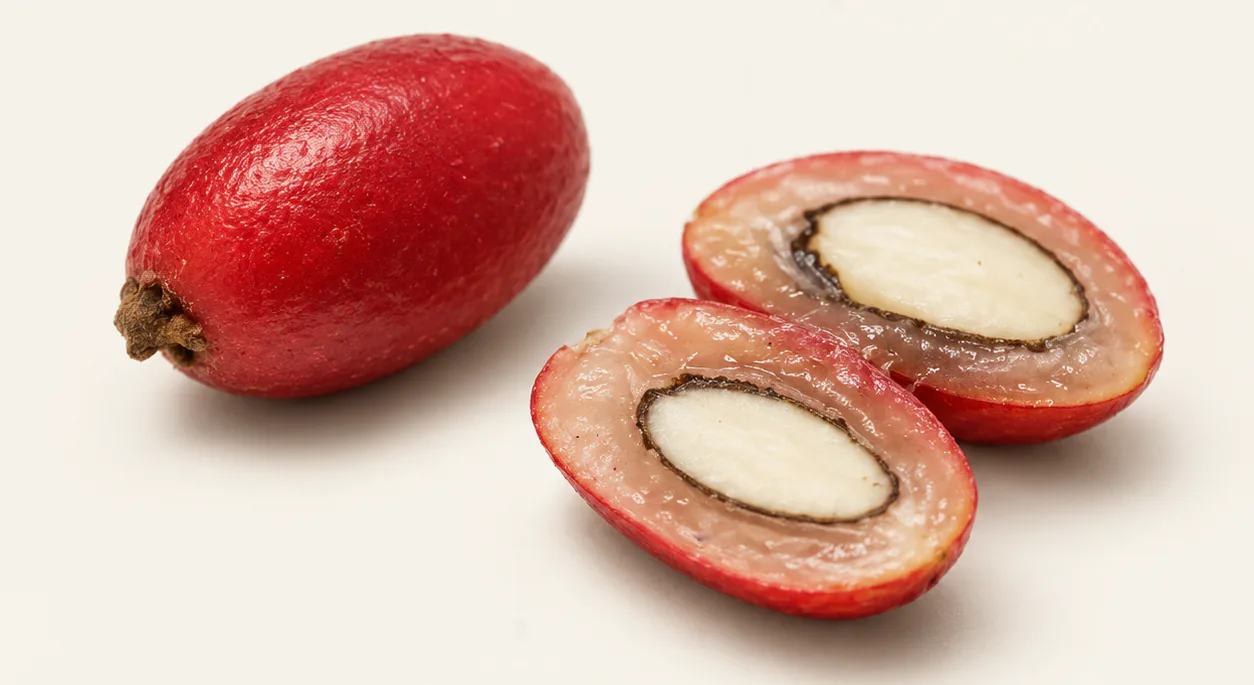
A curious discovery
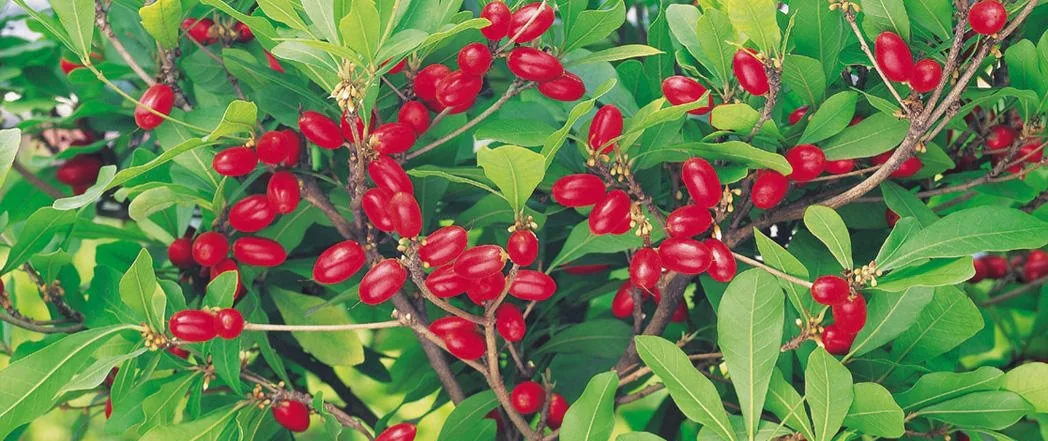
The miracle berry grows on a shrub native to West Africa. In 1725, the French explorer Chevalier des Marchais became the first to write about its sweetening effect, after seeing people eat the berries before meals.
More than two centuries later, Japanese and Dutch scientists, working separately in the 1960s, isolated the protein responsible. The Dutch team named it miraculin. In 1989, Japanese scientists mapped its full structure.
Native to West Africa

West Africa
How it works
Your tongue recognises five basic tastes: sweet, salty, bitter, sour and umami. Miraculin works on the receptors that detect sweetness.
On its own, miraculin doesn’t taste sweet. But when something sour arrives — a slice of lemon, a sip of lime — the acid changes miraculin’s shape, and it switches those sweet receptors on. Sour suddenly tastes surprisingly sweet.
The food itself doesn’t change: no sugar is added and no acidity is removed. Only your perception does. Curiously, with foods that aren’t sour, miraculin can make sweet things taste a little less sweet.
Meet miraculin
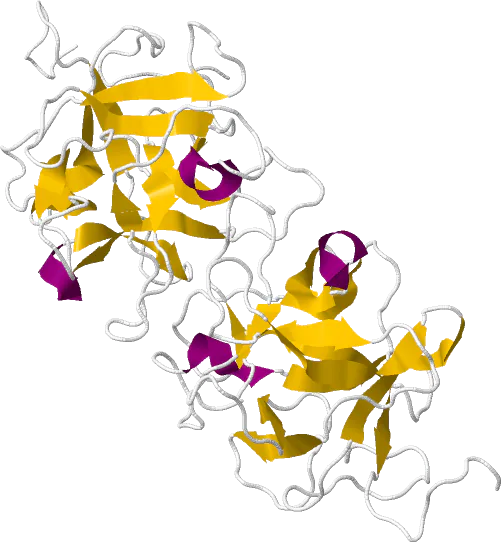
The shape
that changes
taste.
-
1 Miraculin works on your tongue’s sweet receptors.
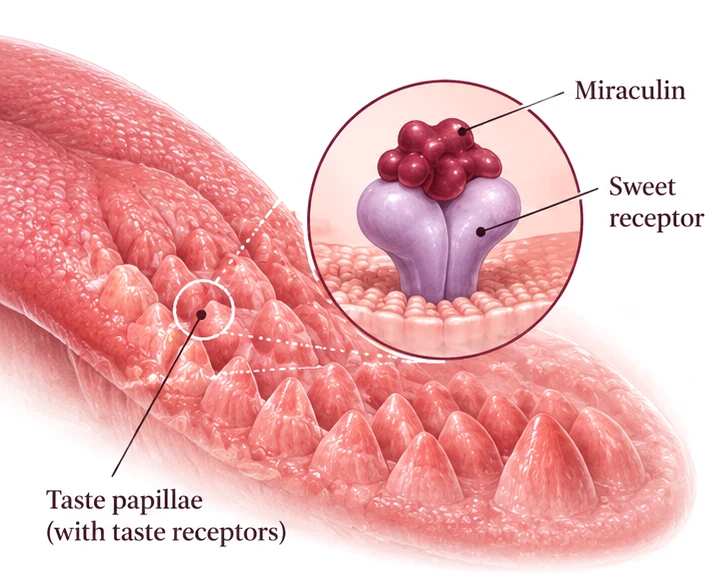
-
2 Acid changes its shape.
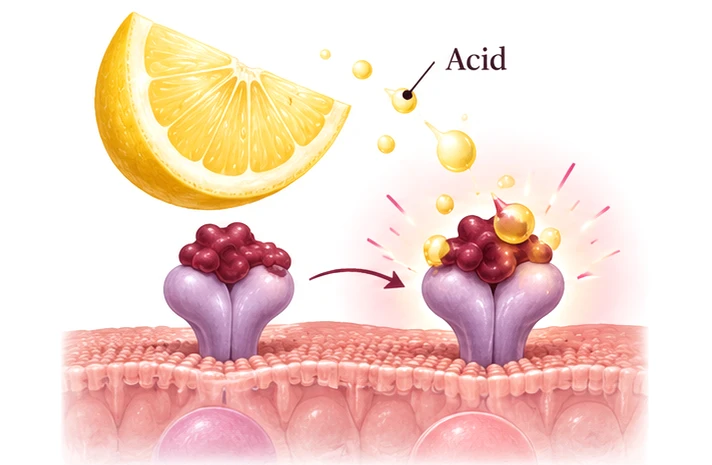
It switches the sweet receptors on.
-
3 Sour food tastes sweet.

No sugar is added. Only your perception changes.
Simplified illustration
How long does it last?
It varies. How strong the effect feels, and how long it lingers, depends on three things: how much miraculin reaches your tongue, how long it stays there, and how sour the food is.
Let it linger
About 30 seconds
That’s why we suggest letting your berry halves linger in your mouth for about 30 seconds.

Same food.
New signals.
Why scientists are still curious
Over the past twenty years, interest in miraculin has grown again, as researchers explore whether it could one day help sweeten food. The challenge is supply: the miracle fruit is notoriously hard to grow outside its natural climate, which keeps it rare.
It took years of patience, trial and error for our family to grow it on our farm in the Philippines.
Try it for yourself
The best way to understand miraculin is to taste it. Take 2–3 freeze-dried halves, let them linger for about 30 seconds, then try a slice of lemon.
Curious? Keep exploring.
-
Experience
The Curious Case of Miracle Berry