

 Sweet treats
 Meals
 Drinks
Grow
How to Grow Miracle Berry Plants
The miracle berry is a slow-growing shrub from tropical West Africa. Here’s what it needs to grow from seed, how to care for it, and what helps it fruit sooner.
Meet the plant
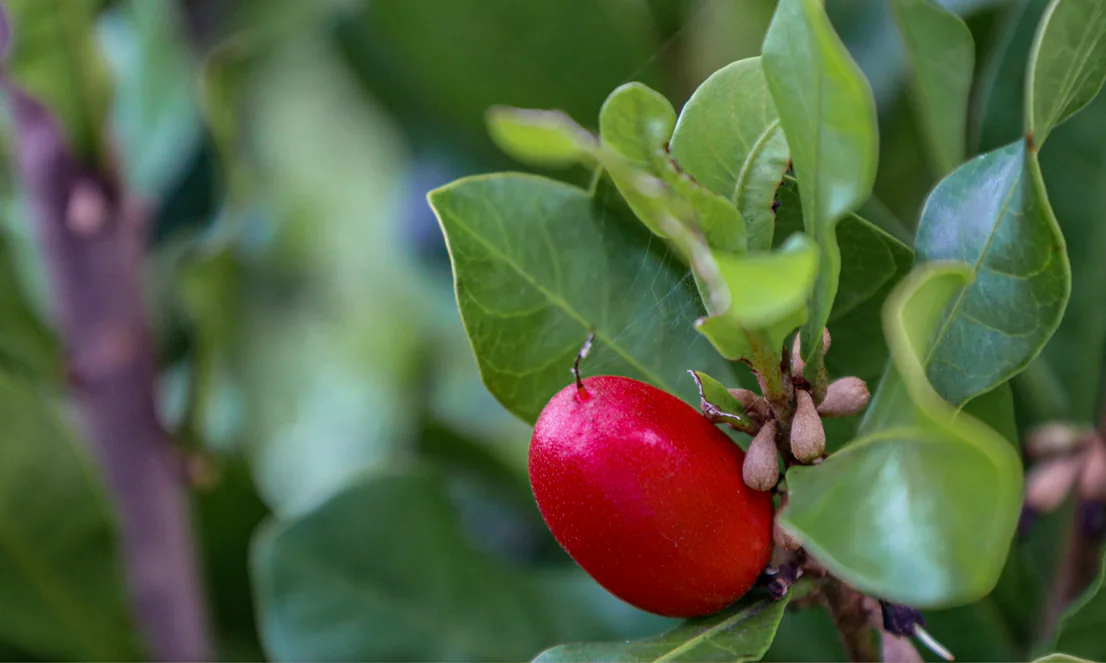
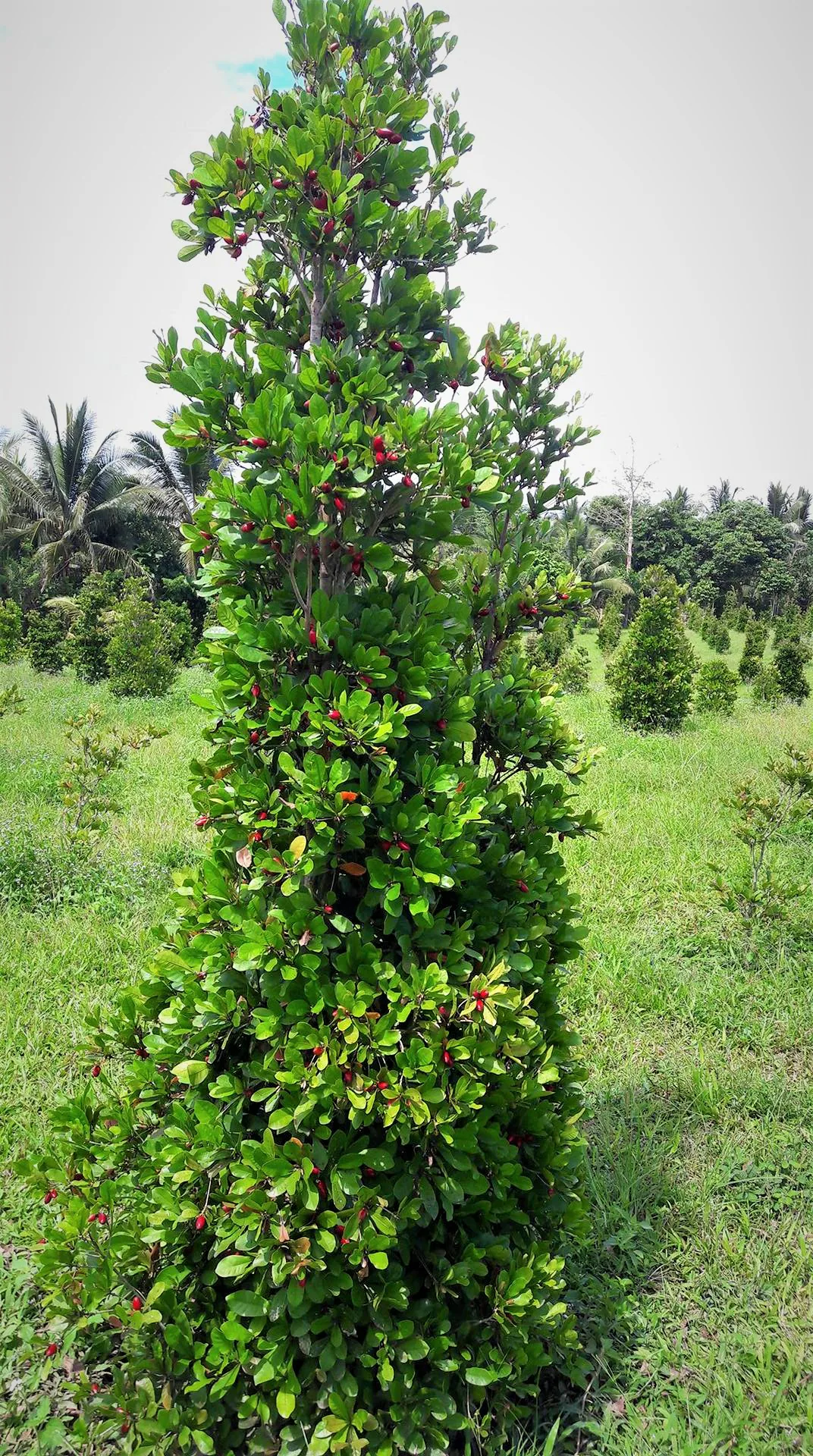
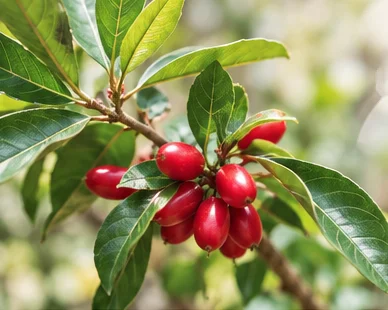
The miracle berry plant, Synsepalum dulcificum, is a slow-growing shrub from tropical West Africa. Once mature, it flowers and fruits on and off all year, most of all in summer. Its berries ripen from green to red: about an inch long, with one seed in fleshy pulp. Outdoors it can reach about 20 feet; indoors, as a houseplant, nearer five.
Step by step
Growing from seed
What you’ll need
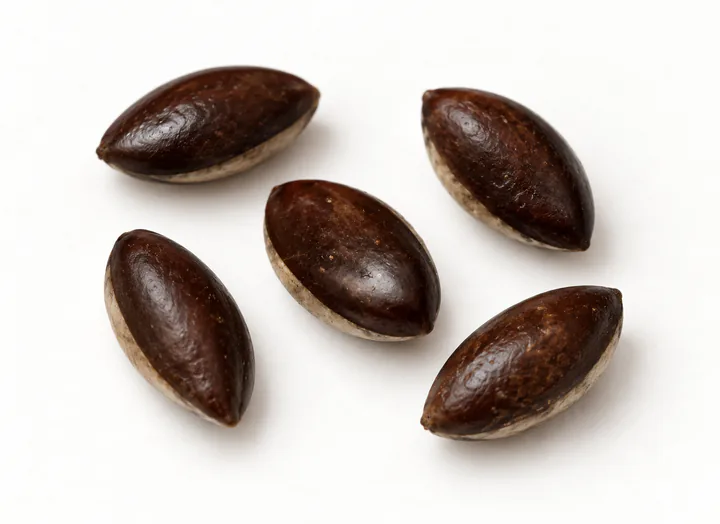
- Sphagnum peat moss
- Perlite
- Miracle berry seeds
- A small pot, ideally biodegradable, to protect the roots when you transplant
- Gibberellic acid (optional)
1. Mix an acidic soil
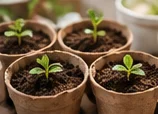
Miracle berry plants love acid: they need a lime-free mix with a pH of about 4.5–5.8. Shake equal parts peat moss and perlite together in a larger container, then fill your small pot.
2. Plant the seeds
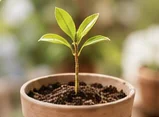
Moisten the mix and press the seeds in until they’re barely visible. Germination can be patchy, so sow more seeds than you need. Optionally, give each seed one spritz of gibberellic acid. Keep the pot moist and warm under a sheet of plastic, in indirect sunlight.
3. Repot the seedlings
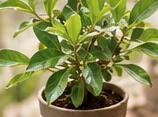
Sprouts soon outgrow their first pot. Move each into a pot only about 2 inches larger, with the same 50/50 mix. Put some mix in the bottom, then set the root ball at soil level without loosening the roots; plant too deep and the roots can dry out while the surface still looks moist. Fill in, keep the plant level, and water well to remove air pockets.
When will it fruit?
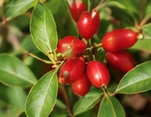
The plant takes its precious time. It usually starts flowering, on its side branches, at about 1½ feet tall and fruits from about two feet. Summer’s longer, warmer days help it set fruit. The flowers also need to be moved, by the wind or by you: when it’s in bloom, gently shake the leaves or run your hands through the branches.
Everyday care
- Light: once established, give it a full to partially sunlit window.
- Water: keep the soil evenly moist; dry roots are the most common way plants are lost, especially in the heat. Use non-chlorinated water, or let tap water stand for 24 hours first.
- Warmth: a rainforest plant, it loves heat and humidity and can’t tolerate cold, so keep it above 60°F (about 15°C). A clear plastic bag over the plant holds in humidity, if it doesn’t get too hot.
- Feeding: it’s sensitive to high fertiliser and salt levels. Use a balanced fertiliser every other watering, never on dry soil, and flush the soil now and then with clean, unchlorinated water. Blood meal (nitrogen) and bone meal (phosphorus) can help too; go gently with nitrogen.
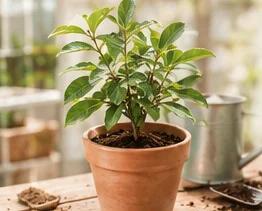
Leaf trouble
- Crisp, dry leaves: the soil got too dry. Water thoroughly and check it often.
- Brown leaf edges: too much fertiliser, or impurities such as chlorine in the water.
- Pale, yellowing leaves: too little fertiliser, or soil that isn’t acidic enough; return to the 50/50 peat and perlite mix.
What helps it fruit sooner
Miracle berry plants are usually reported to bear fruit after three to four years. A field study in southern Benin, by Tchokponhoué and colleagues, looked for ways to speed that up.
Daily watering mattered most for flowering. With a balanced feed of nitrogen, phosphorus and potassium as well, the plants first flowered and fruited at around two years old. Too much nitrogen was harmful, though: at higher doses, none of the seedlings survived. The takeaway: steady water first, a balanced feed second, and a light hand with nitrogen.
From one seed to a farm
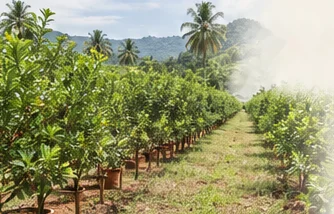
Our own farm in Goa, Camarines Sur, in the Philippines, began in 2001 with a single seed. At 3,740 feet, it took our family years of patience, trial and error. Read our story, or about Richberry and the environment of Camarines Sur.