 Sweet treats
 Meals
 Drinks
Send Your Taste Buds on a Sweet Trip with Richberry
A miracle berry tasting is part experiment, part party. Here’s what to try, what to expect, and which flavours stay exactly as they are.
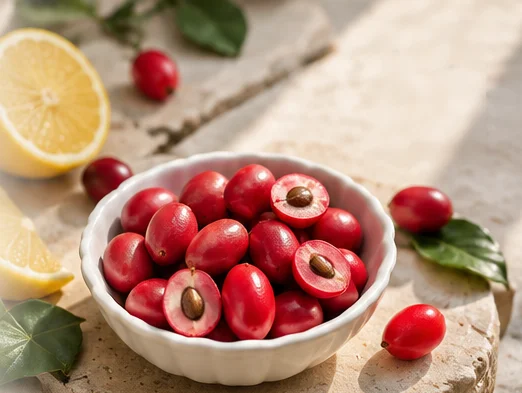
Same lemon.
A sweeter
surprise.
Curious? Keep exploring.
Here are two stories to continue your taste journey.
-
Science
Why Sour Fruits Tastes Sweet with Miracle Berry
What really happens between a miracle berry and a lemon.
Read story -
Experience
10 Things to Try Miracle Berries with
Ten playful ways to put your taste buds to the test.
Read story
Eating is one of the few things everyone shares. It’s how we bond with family, friends and the people we love, and the better the company, the better the food tastes. So why not experiment a little?
Before you begin
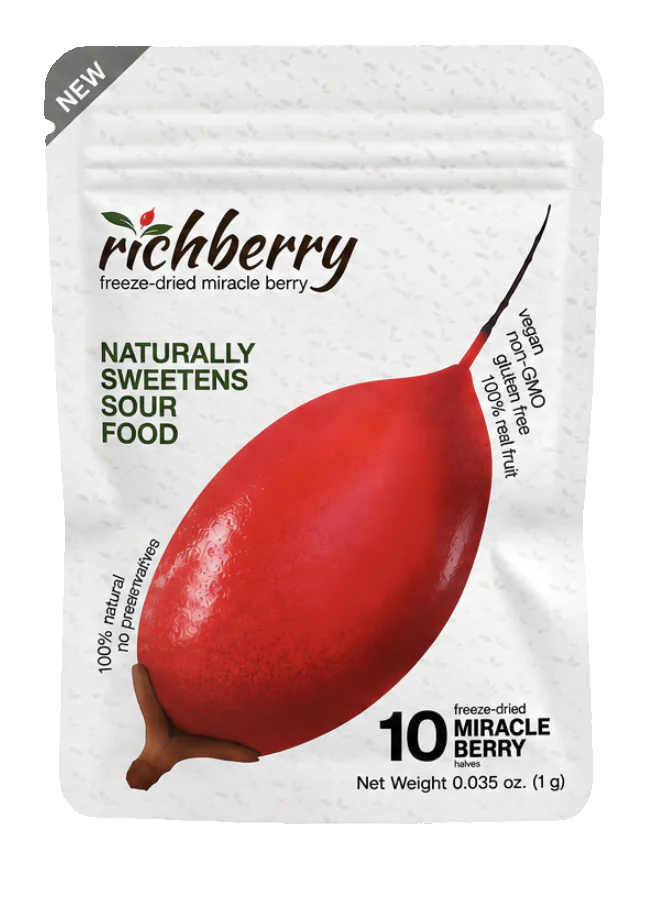
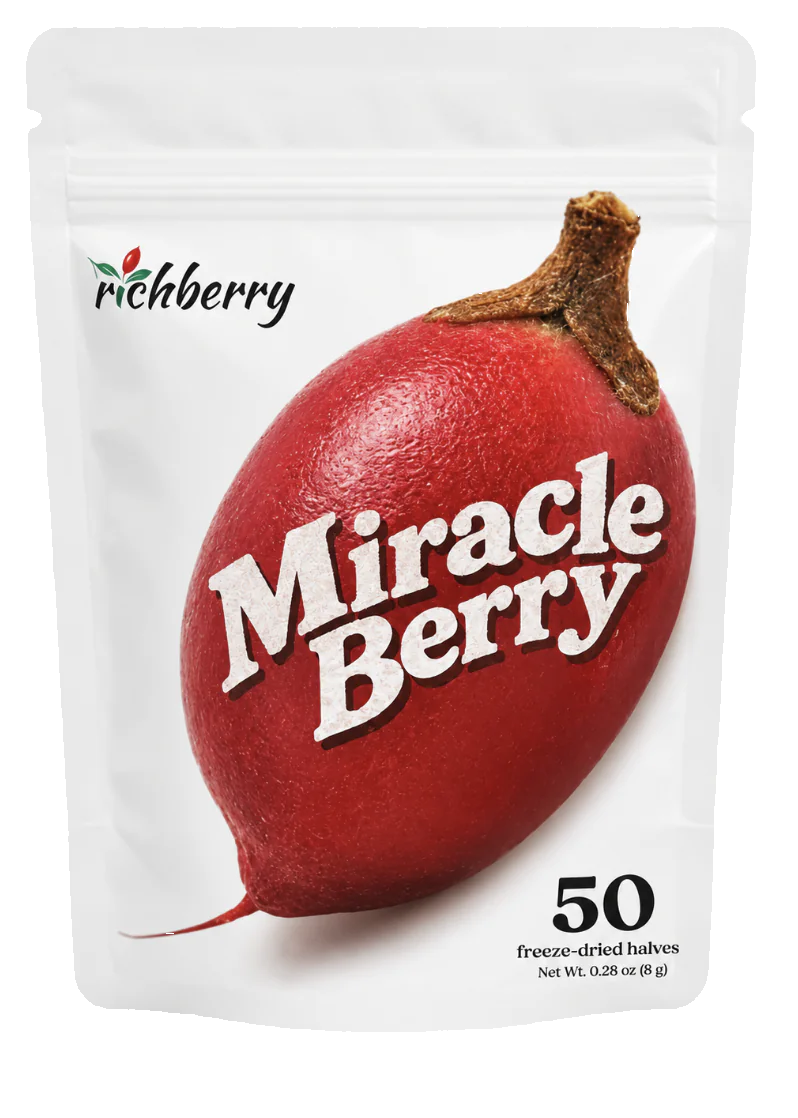
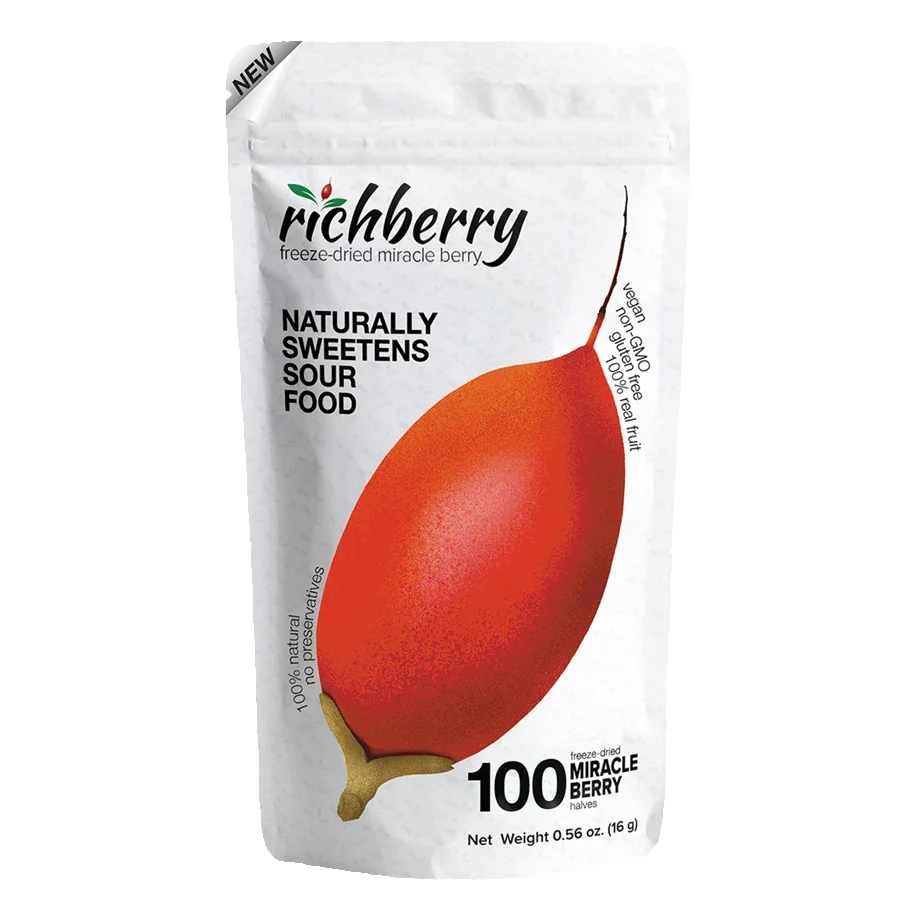
Take 2–3 freeze-dried Richberry halves. Chew them gently and let them linger on your tongue for about 30 seconds, so the miraculin can coat it. Then start tasting.
The effect works for most people, but how strong it feels and how long it lasts will vary. Take one food at a time and give each bite your full attention.
The sour: where it shines
This is where miraculin does its best work. Try any of these:
- Strawberry
- Lemon
- Green apple
- Mango
- Orange
- Pineapple
- Blueberry
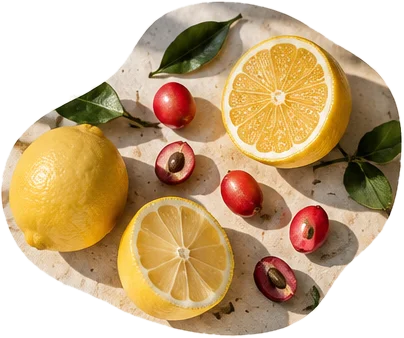
Begin with a slice of lemon, the classic first test. The more sour the bite, the bigger the surprise. Nothing about the fruit has changed: no sugar has been added and no acidity removed. Only your perception has.
The adventurous: bitter and bold
Ready for a challenge? These are worth tasting, if only as a comparison:
 Bitter melon
 Cruciferous vegetables:broccoli, Brussels sprouts, cabbage, kale, radishes and arugula
 Cranberry
 Dark chocolate
 Green tea
 Red wine
Here’s the honest part: miraculin works on sourness, not bitterness. Anything sour in the mix may change, but the bitter notes are likely to stay.
Research points the same way. In a taste study at the Federal University of Lavras, Andrade and colleagues found that miracle fruit made lemonade taste sweet but had a weaker effect on bitter green tea. The same paper describes earlier tests in which broccoli tasted just as bitter, and crackers just as salty, after the berry, while lemon, lime, grapefruit, sour candy and cider vinegar all tasted sweeter.
What about spicy food?
Jalapeños, curry, hot sauce: it’s a fair question. Chilli heat comes from capsaicin, a compound in hot peppers that triggers different receptors from the sweet ones miraculin switches on. So expect the heat to stay.
Vinegar-based hot sauces are the ones worth trying. Their acidity may taste sweeter, although nothing suggests the burn goes away.
Your taste-test journal
After a round of tasting, ask yourself:
- How did each food taste after Richberry?
- Which sour notes turned sweet, and which flavours stayed exactly the same?
- How long did it take for the sweetness to fade?
- Did eating become more fun?
Tell us how your taste trip went. We’d love to hear about it.
Try it with
lemon first!