 Sweet treats
 Meals
 Drinks
Science
Next-Generation Sweetener:
Miracle Berry
Miracle berry adds no sugar to anything. For a little while, it changes how sour things taste. Here’s what that means, and what two small studies found when they put it to the test.
Is miracle berry a sweetener?
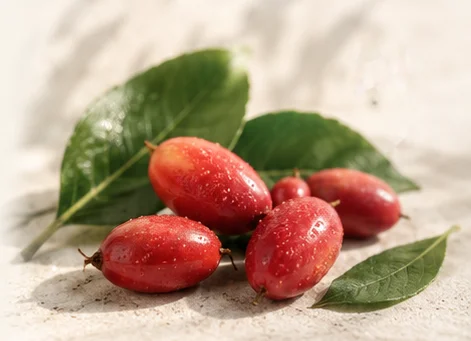
Not quite, and the difference is the interesting part. A sweetener is something you add to food. Miracle berry adds nothing: no sugar goes in, and no acidity comes out.
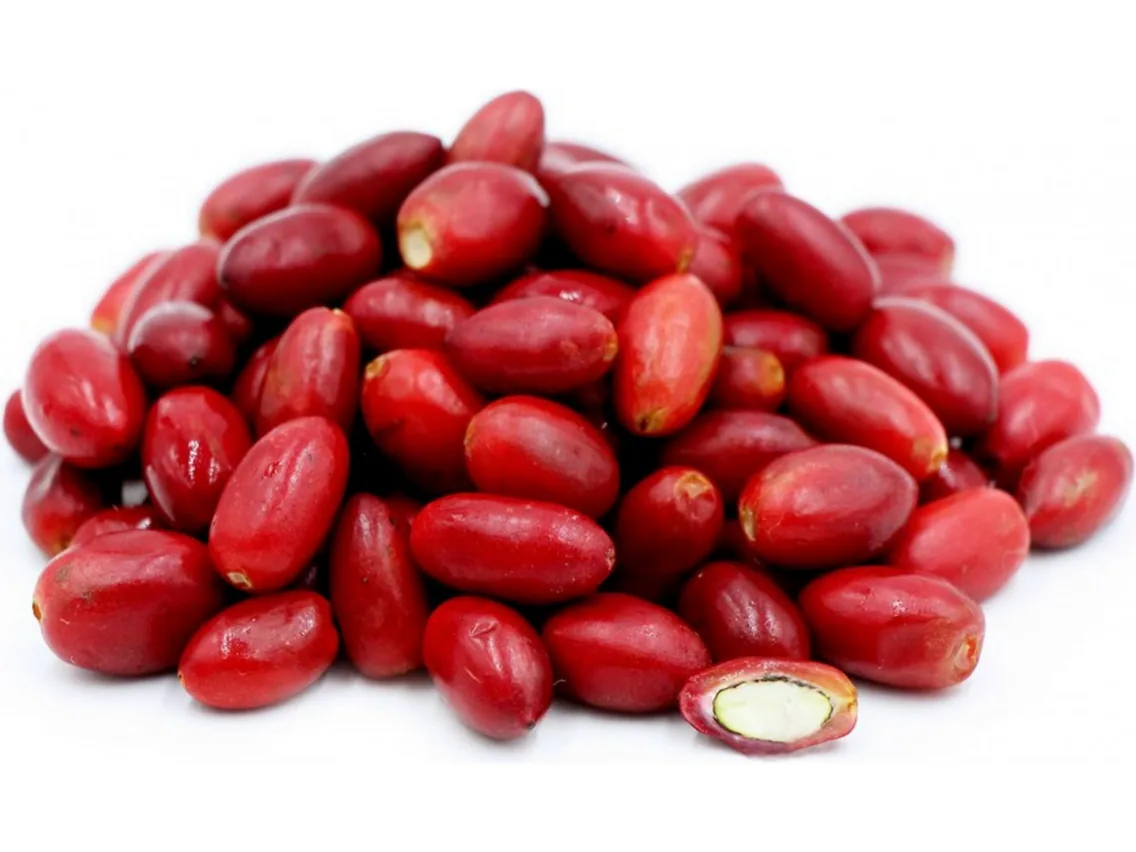
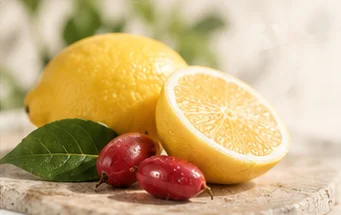
What changes is the way you taste. The berry contains miraculin, a protein that can make sour flavours taste sweet for a while. A lemon stays exactly as sour as it was. Your tongue simply reads it differently.
Meet miraculin
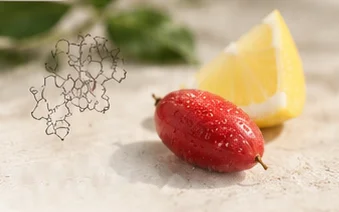
Your tongue has different receptors for different tastes. Miraculin has no taste of its own, but it settles on the receptors that detect sweetness. When something sour arrives, it switches them on, and sour comes across as sweet.
It only works once it has coated your tongue, so the berry comes first and the sour food second. Mixed straight into a dessert or a drink, it loses much of its effect. Everything you need to know about miraculin goes deeper into the science.
A question worth asking
In 2019, Richard Turner asked a question on this blog that still makes us curious. He wasn’t saying give up sugar. He was simply wondering:
“Do we actually need a lump of sugar for the sake of its taste, or would I consider miracle berry to enjoy my home-made dessert?”
It makes a fun experiment with tart homemade desserts, like a strawberry ice cream or a raspberry cake. How much sugar goes in is always the cook’s choice.
What two small studies found
Researchers have explored the idea too, on a small scale.
-
San Diego State University
At San Diego State University, volunteers ate lemon popsicles, some made with sugar and some with very little. When they had miracle fruit first, they rated the desserts as sweeter. They didn’t like them any more overall, though. The low-sugar popsicles came out “icy” and “hard”, which may have played a part: sugar shapes texture as well as taste.
Limitation
It’s a finding about taste alone. The researchers say it can’t be concluded that miracle fruit changes how much people eat later.
-
Brazil’s Federal University of Lavras
At Brazil’s Federal University of Lavras, a small trained tasting panel compared four lemonades: unsweetened, with sugar, with sucralose, and unsweetened but sipped after miracle fruit. The miracle fruit lemonade tasted sweet and less sour, with no aftertaste, and its sweetness behaved much like the other two. From about 15 seconds on, it tasted less sour than the sugar and sucralose versions.
Worth knowing
The same researchers note that citrus-based sour drinks, like lemonade, tend to work better than vinegar-based ones.
Keep in mind
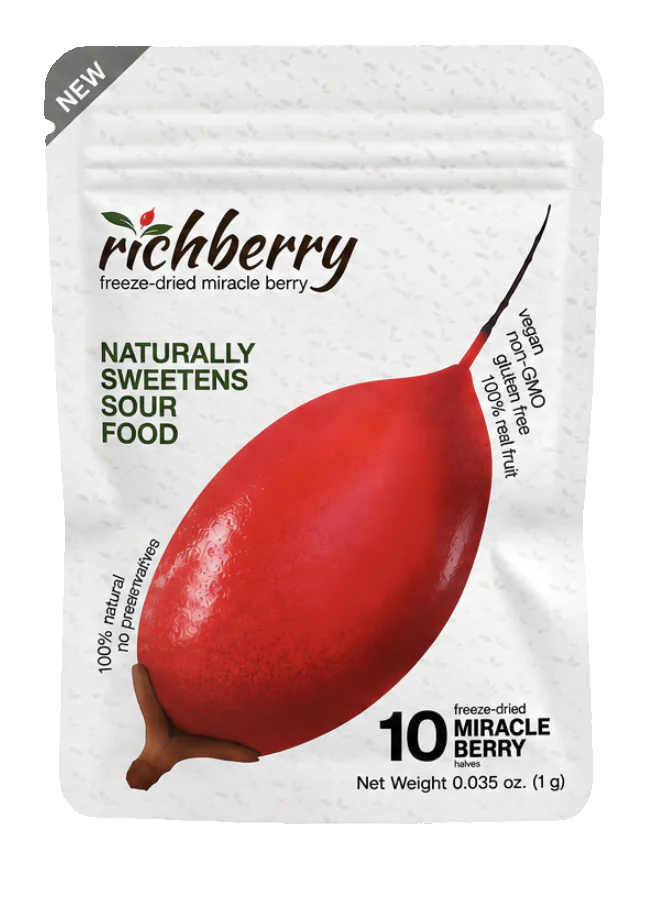
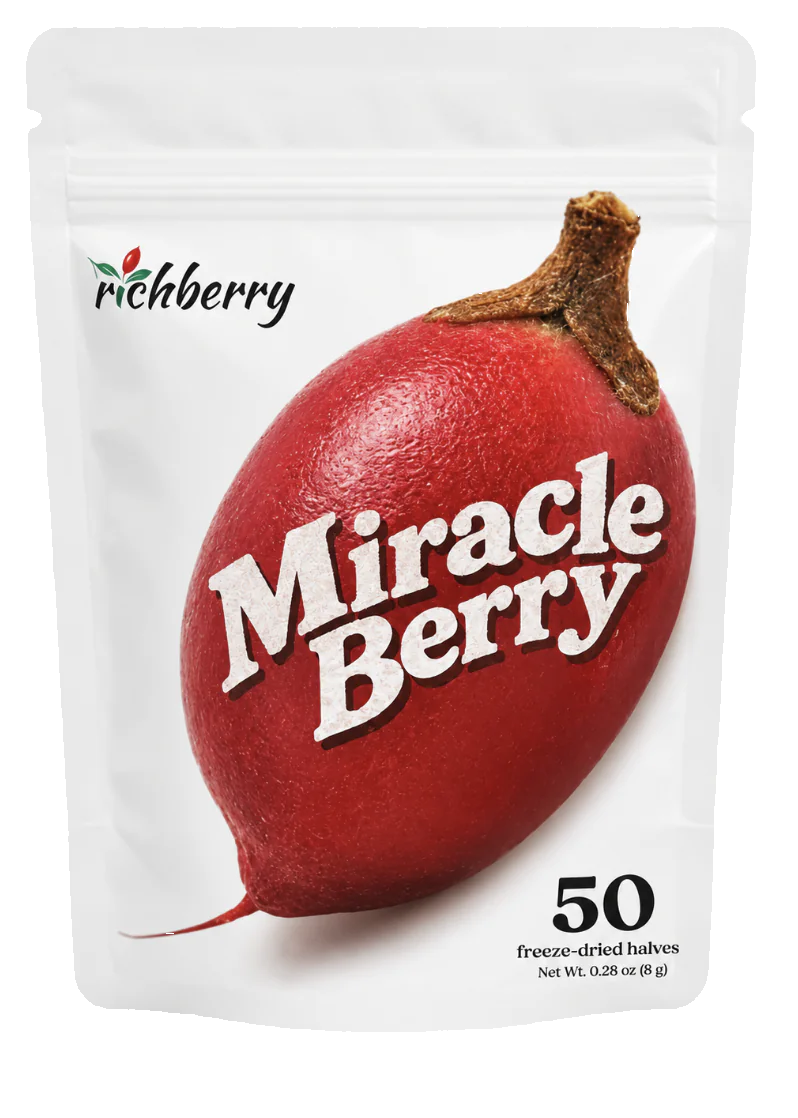
Both studies used other forms of miracle fruit, a freeze-dried tablet and another producer’s dried fruit, rather than Richberry’s halves. Think of them as a curious glimpse, not a guarantee.
Lemon to lemonade
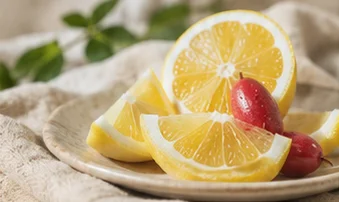
Try it yourself. Taste a slice of lemon and remember how sour it is. Then take 2–3 freeze-dried halves, chew them gently and let them linger for about 30 seconds.
Now taste the same lemon. It’s just as sour as before. It simply doesn’t taste that way.